Virtual Production Shot Readiness
Develop AI Agent Skills from how virtual production specialists connect camera and scene changes to the evidence and unresolved checks needed before a stage handoff. Help an agent prepare a shot-readiness brief that identifies changed assumptions, relevant stage evidence, and questions for the responsible specialists.
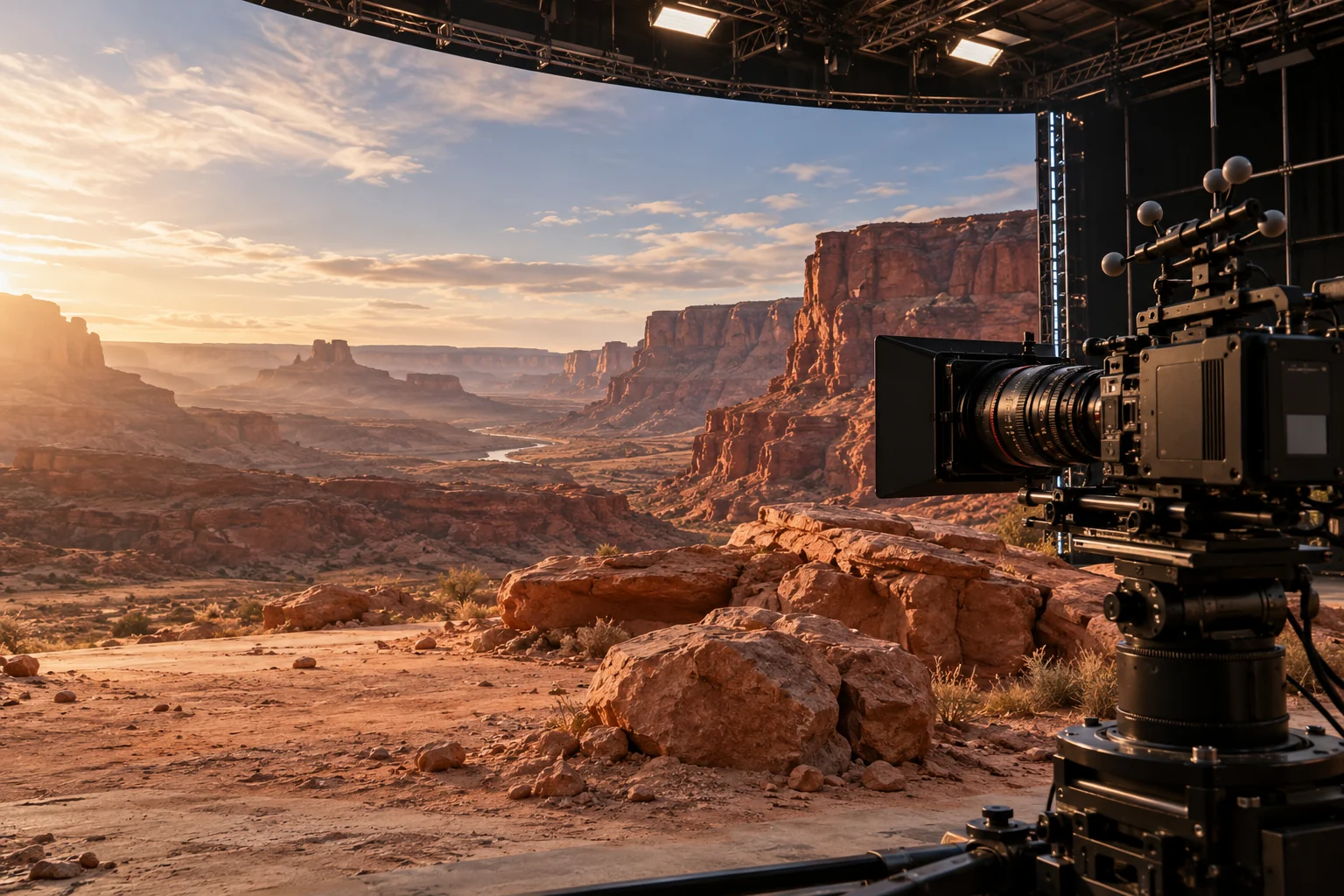
Virtual production supervisors, camera teams, and real-time artists
A revised camera move changes the assumptions behind a stage setup
Carry stage assumptions into the shot-readiness review
A ready environment does not settle every stage question
A virtual production shot was reviewed during previs, but the planned lens and camera move change before the stage session. The virtual environment is ready to load. The team still needs to establish whether tracking, lens calibration, set alignment, and scene performance were assessed for the current setup.
Bring camera, scene, and stage evidence into one review
A camera move changes after previs. Follow the evidence that still applies and the questions the stage team needs to revisit before the shot.
Make changes to the physical setup explicit
Connect the planned lens, move, and camera position to the tracking and calibration evidence supplied by the camera and stage teams. Mark changes that require a specialist to confirm whether earlier tests remain relevant.
Which part of the current camera setup was not covered by the earlier test?
Connect the virtual environment to the planned shot
Preserve the scene version, practical-set alignment, lighting intent, and performance observations from the relevant stage test. Explain which result depends on the tested viewpoint or camera movement.
What must be checked again when this scene is viewed through the revised move?
Assign the remaining readiness questions
Prepare the current assumptions, supporting records, open checks, and named owners. Keep an uploaded scene or completed previs review from being mistaken for current stage acceptance.
Who can confirm each unresolved condition before this shot proceeds?
The virtual production supervisor, camera department, and stage team confirm calibration, technical readiness, and permission to proceed.
Capture the production judgment behind stage readiness
Review a completed stage setup with the virtual production supervisor and camera team. Preserve how they connected the planned shot to test evidence and resolved changed assumptions. Develop an AI Agent Skill that helps future briefs bring the right questions to the right specialists.
Explore AI Skill Engineering- Current shot plan, lens choice, and camera move
- Tracking, lens-calibration, and stage-test records
- Virtual scene version, performance observations, and open issues
Bring a shot whose setup changed after previs
Choose a shot plan, the relevant stage records, and the specialist who can explain what needed another check. Explore how that reasoning could improve the next production handoff.