Spoilage and Shelf-Life Investigation
Develop AI Agent Skills from how food quality specialists compare spoiled and unaffected samples to investigate process, packaging, and storage factors while separating quality findings from safety conclusions. Help an agent organize a shelf-life investigation that links sample differences to possible explanations, missing evidence, and questions for specialist review.
Food microbiologists, packaging specialists, and quality teams
A product shows an unexpected quality change before its expected shelf life
Preserve the evidence behind a shelf-life explanation
Visible spoilage is a clue, not a complete diagnosis
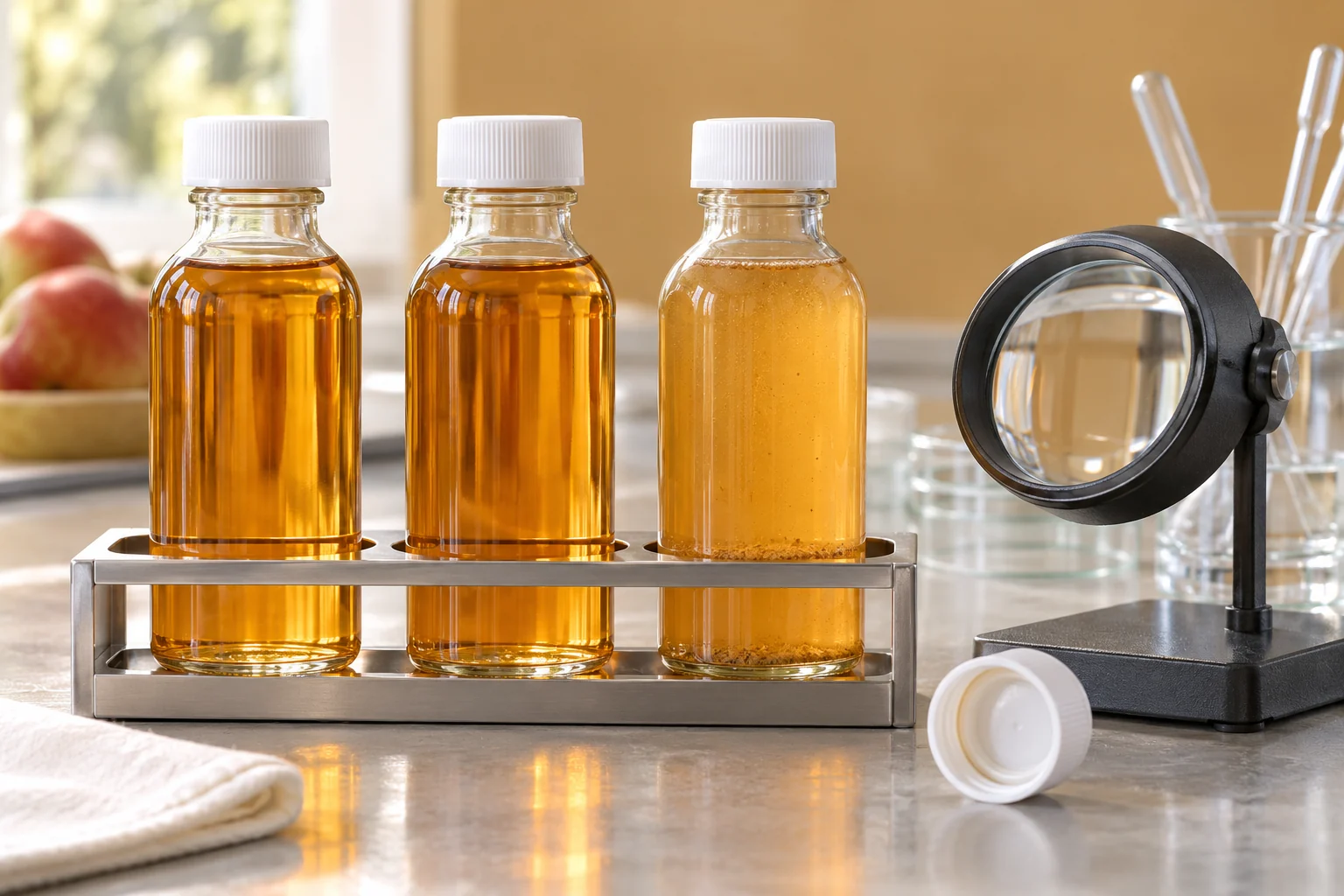
A beverage develops haze in a subset of retained samples. The affected bottles share some packaging history, but their storage records differ. The team needs to compare microbiological findings, seal evidence, process history, and storage conditions without assuming the visible change identifies a cause.
Compare the sample histories behind the quality change
Hazy and clear samples may differ in several ways. Explain which comparisons help investigate the cause and which conclusions need more evidence.
Choose samples with a meaningful relationship
Connect observations to lot, age, formulation, package, and storage conditions. Explain why a comparison sample is relevant and identify differences that prevent a direct conclusion.
Are the apparently unaffected samples comparable in the conditions that matter?
Connect laboratory, packaging, and storage evidence
Compare appropriate microbiological results with closure integrity, process events, and handling history. Keep multiple explanations open until evidence distinguishes them, and record which finding would change the investigation.
What evidence separates a packaging issue from a process or storage issue?
Keep quality and safety judgments explicit
Prepare the supported findings, unresolved risks, and proposed follow-up for the responsible owners. Absence of visible spoilage does not establish safety, and a quality investigation alone does not justify extending shelf life.
Which conclusion is supported, and which still needs its own assessment?
Food safety, microbiology, packaging, and quality owners determine the investigation, any safety escalation, and changes to product disposition or shelf-life claims.
Capture how a team narrowed a spoilage investigation
Review a completed case with its microbiology, packaging, and quality specialists. Explain which comparisons eliminated weak hypotheses and which uncertainty remained. Develop a skill that helps the next investigation begin with better questions.
Explore AI Skill Engineering- Retained-sample observations and appropriate laboratory results
- Packaging, closure, process, and sanitation history
- Storage conditions, distribution records, and shelf-life study context
Bring a shelf-life result that challenged the expected pattern
Choose affected and comparison samples with their histories and the specialist who can explain the investigation’s conclusions and limits.