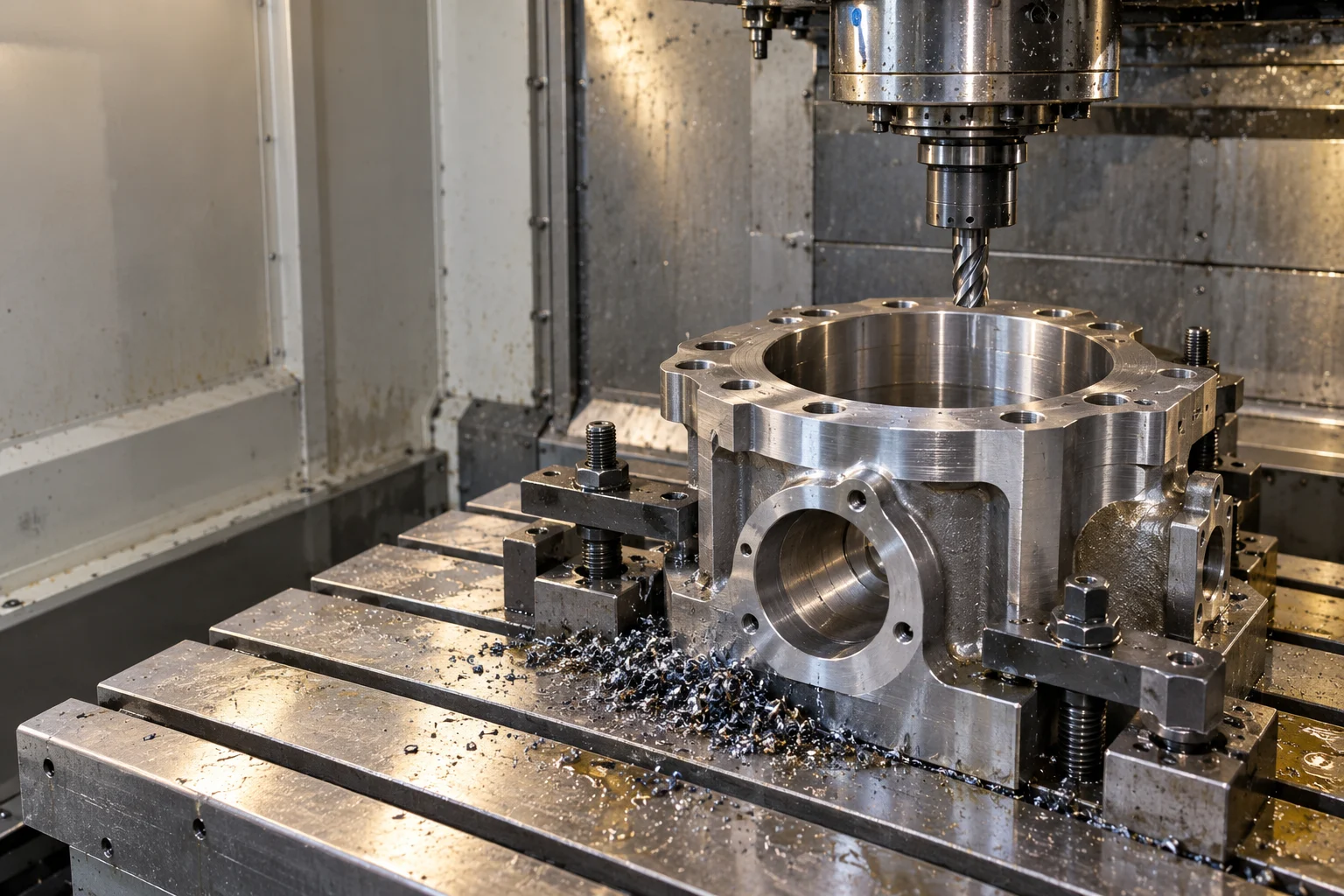
Caterpillar
Caterpillar could turn experienced technicians’ assembly checks and equipment troubleshooting decisions into AI Agent Skills. For its construction and mining equipment, agents could connect a symptom to the right inspection, explain the reasoning, and carry proven repair knowledge across plants and service teams.
Company website ↗
John Deere
John Deere could capture the setup choices, machining adjustments, and inspection reasoning behind its agricultural and construction equipment. AI Agent Skills could help agents guide production changeovers, explain how to investigate an out-of-spec part, and make experienced operators’ judgment available to the next shift.
Company website ↗
Cummins
Cummins could preserve how specialists interpret engine test results and distinguish assembly defects from calibration issues. AI Agent Skills could give agents a repeatable diagnostic sequence, the evidence needed for each decision, and clear escalation criteria for unusual results across engine and power-system production.
Company website ↗

GE Aerospace
GE Aerospace could capture the inspection reasoning and process knowledge behind precision engine components. AI Agent Skills could help agents assemble relevant evidence, guide investigation of manufacturing deviations, and prepare consistent handoffs to qualified engineers as production expands, with engineering disposition and release decisions remaining with authorized people.
Company website ↗

Honeywell
Honeywell could turn specialists’ knowledge of industrial controls, sensor calibration, and commissioning into AI Agent Skills. Agents could use that reasoning to guide fault isolation, identify the checks needed before a configuration change, and carry lessons from field service back into manufacturing and product support.
Company website ↗

3M
3M could capture how process experts connect material variation, surface preparation, and production conditions to product quality. For adhesives and abrasives, AI Agent Skills could help agents investigate defects, explain which evidence supports a process adjustment, and preserve the reasoning behind successful production trials.
Company website ↗

Nucor
Nucor could preserve the judgment that connects steelmaking conditions, equipment behavior, and finished-product quality. AI Agent Skills could help agents structure a quality investigation, surface experienced operators’ diagnostic checks, and pass useful maintenance and process knowledge between shifts and mills.
Company website ↗

Rockwell Automation
Rockwell Automation could capture the reasoning its specialists use to configure, test, and troubleshoot industrial automation systems. AI Agent Skills could help agents distinguish a device fault from an application issue, explain commissioning checks, and make recurring support resolutions reusable across engineering and manufacturing teams.
Company website ↗

Linamar
Linamar could turn its machining and assembly expertise into AI Agent Skills that preserve setup decisions, tool-wear diagnosis, and dimensional inspection logic. Agents could help teams investigate tolerance drift and prepare production handoffs, making experienced machinists’ reasoning reusable across its advanced manufacturing operations.
Company website ↗

Celestica
Celestica could capture the engineering decisions that move complex electronics from prototype into repeatable production. AI Agent Skills could help agents connect test failures to diagnostic steps, preserve the rationale behind approved process changes, and make new-product introduction knowledge reusable across manufacturing teams and sites.
Company website ↗