Device Design Traceability
Develop AI Agent Skills from how device engineers trace a design change from its purpose through affected requirements, risk controls, and supporting evidence. Help an agent prepare a design-impact brief with linked requirements, evidence gaps, and questions for the responsible reviewers.
Device designers, systems engineers, and design quality teams
A design revision changes a requirement with several downstream dependencies
Keep the reason for a design connected to its evidence
A small design change can reopen a larger question
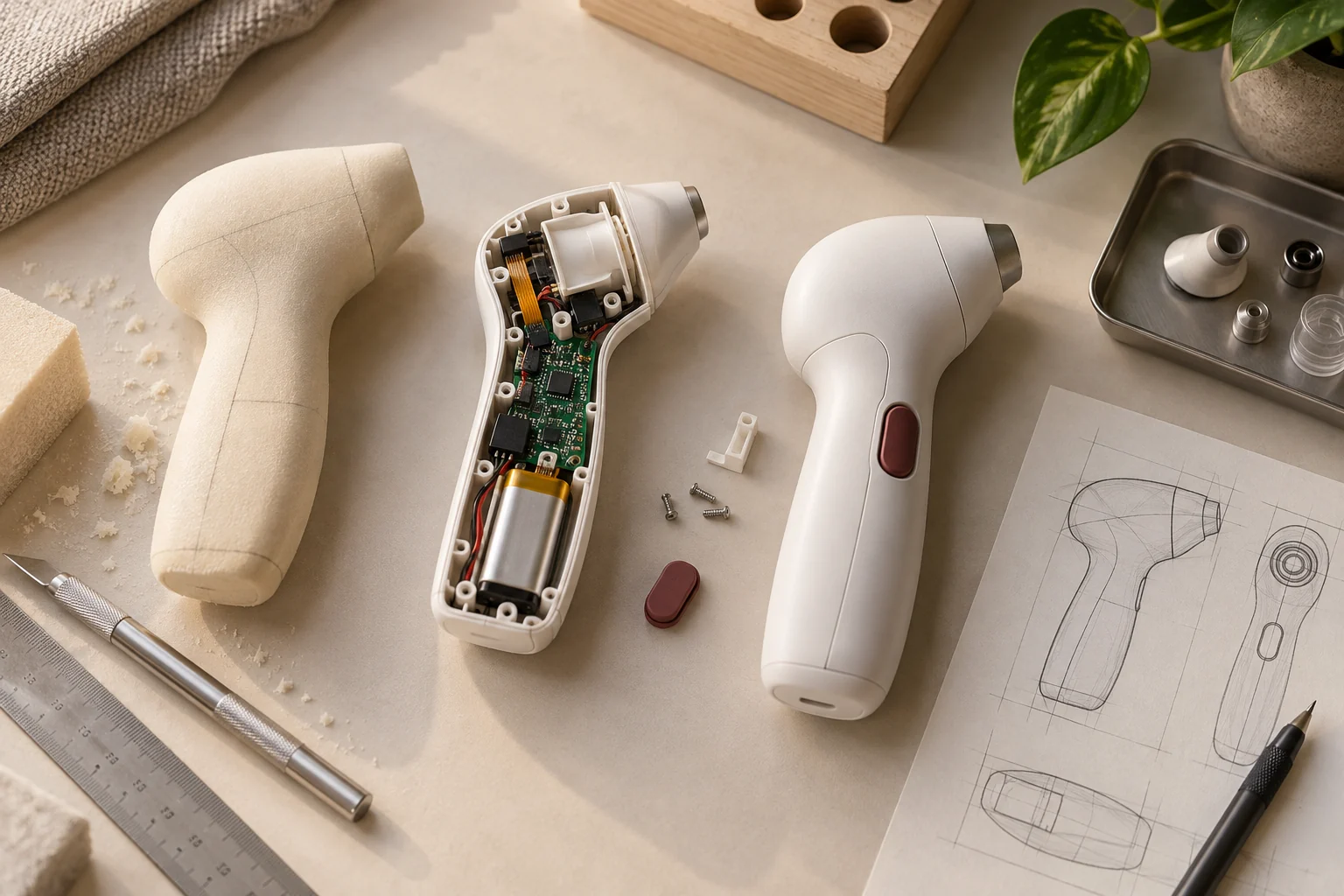
A handheld diagnostic device gets a new enclosure to improve handling. The change also affects the seal, connector access, and cleaning assumptions. The design review has the revised drawing, but the links to user needs, risk controls, and earlier test evidence are scattered across different records.
Follow the change from user need to review evidence
The enclosure revision starts with handling, but its effects reach other requirements. Capture how an engineer identifies those connections before preparing the review.
Recover the need behind the requirement
Connect the revised feature to its intended users, use environment, and original rationale. Keep approved requirements separate from new assumptions so the review can see what changed and why.
What user need would be compromised if this requirement were removed?
Trace the consequences beyond the changed part
Follow interfaces, risk controls, materials, software dependencies, and manufacturing assumptions that the revision may affect. Record why each link matters and flag uncertain relationships for engineering review.
Which unchanged part of the device now depends on a different assumption?
Make the review gaps explicit
Distinguish verification against design inputs from validation of user needs and intended use. Link applicable results to their tested configuration, and identify where the changed design needs a new evidence decision.
Which previous results still apply to this exact revision?
Design engineering and quality owners approve the change and determine the verification, validation, and risk reviews it requires.
Capture how engineers follow a design dependency
Walk through a completed change with the engineer who understood its wider impact. Preserve the links they checked, the assumptions they challenged, and the evidence they requested. Develop an AI Agent Skill that helps the next review begin with that reasoning.
Explore AI Skill Engineering- User needs, intended use, and approved design inputs
- Revision history, risk-control links, and design outputs
- Verification results, validation evidence, and open review actions
Bring a design change with a useful trail
Choose a reviewed revision, its linked requirements, and the engineer who can explain why some evidence remained valid while other evidence needed work.